Is Your Electrical Panel Ready for Florida’s Summer Heat?
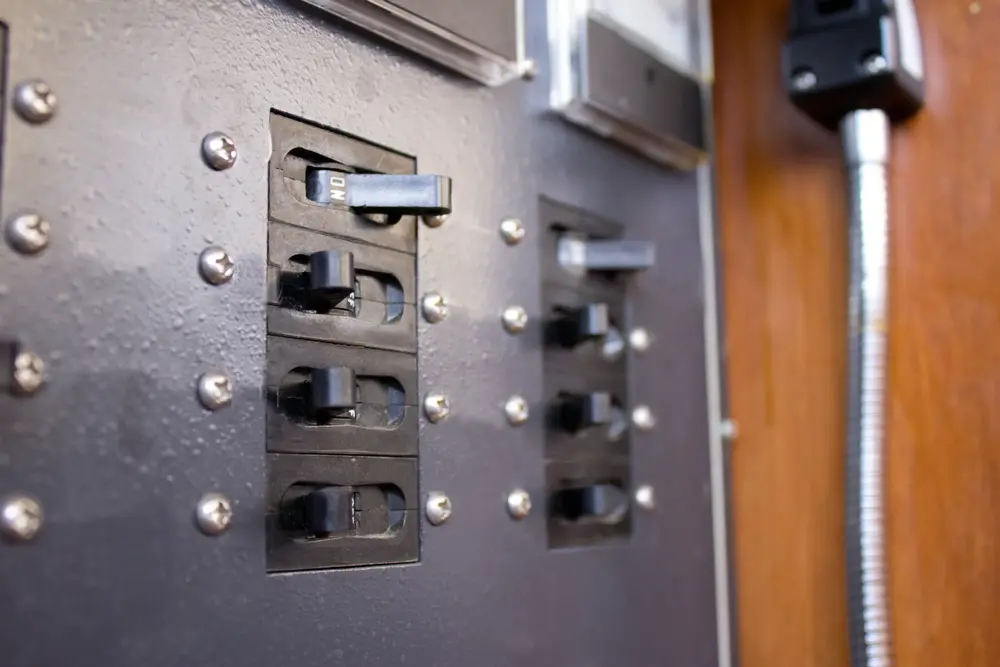
Circuit Breaker Panel

Florida summers aren’t just hot; they’re packed with high humidity, daily thunderstorms, and heavy AC use. All of that puts a lot of stress on your home’s electrical system, especially the panel. If your panel is outdated or struggling, it could lead to flickering lights, tripped breakers, or even serious safety issues.

Whether you're in Tampa, Clearwater, or anywhere else across the Gulf Coast, now’s the time to ensure your electrical panel can keep up before the real heat kicks in.

Don’t wait for the heat to cause a power problem. Contact Hoffman Electrical & A/C today to schedule an electrical panel inspection in Florida.

How High Temperatures Affect Your Electrical System

Florida’s heat can push your electrical system to its limit, especially if your panel is older or undersized. When the temperature rises, so does your home’s energy demand. Air conditioners run longer, ceiling fans stay on, and appliances get more use. All of that power runs through your breaker panel.

If your panel isn’t built to handle that load, it can start to trip breakers frequently or overheat. In some cases, an overloaded or outdated panel can even become a fire hazard. Heat and humidity can also wear down internal components, making them more likely to fail when you need them most.

That’s why checking your panel before summer hits full swing isn’t just a good idea, it’s a safety must.

Signs You Should Upgrade Your Electrical Panel

Think of your electrical panel like an air traffic controller; it manages where power goes and how much gets used at once. But when summer hits in Florida and your AC is cranking around the clock, that controller can get overwhelmed, especially if it’s from a few decades ago.

At Hoffman Electrical & A/C, we don’t just replace panels; we ensure your entire system is safe, efficient, and designed for Florida’s extreme heat and humidity. We’ll walk you through your options and ensure the job’s done right, with no pressure and no guesswork.

Choose Hoffman Electrical for Electrical Services

Since 1989, Hoffman Electrical & A/C has helped Florida homeowners in Tampa, Clearwater, and surrounding areas stay safe and powered up through every season. As a family-owned company, we’re committed to honest service, expert workmanship, and solutions built to handle the Florida heat. If your electrical panel needs attention, we’re the team to call.

Think your panel might need an upgrade? Contact Hoffman Electrical & A/C today to schedule a professional inspection in Tampa, Clearwater, or nearby. We'll ensure your home is safe, efficient, and ready for the summer heat.

R-454B Refrigerant: The Future of Home Cooling in Florida

techniciain performing ac maintenance on hvac unit

Florida homeowners know that air conditioning is necessary for home comfort and safety during the hot, humid summer. Whether you’re in Hillsborough, Pinellas, or Sarasota County, you shouldn’t take reliable cooling for granted.

2025 has brought big changes to air conditioner replacement requirements, and many customers have the same question: What’s the difference between R-410A and R-454B refrigerant? Let’s break down what’s changing and help you figure out your next move.

What Is R-454B and Why Does It Matter?

Refrigerants make air conditioning possible. These fluids absorb heat from your home and transfer it outside, keeping your indoor space cool and comfortable. For years, the most common refrigerant in residential systems has been R-410A. However, this is now being replaced with R-454B refrigerant.

Environmental concerns are driving the switch. Since January 2025, new EPA rules have phased down the use of high-global-warming refrigerants. R-454B has a global warming potential (GWP) of just 466, compared to 2,088 for R-410A. Choosing R-454B reduces your HVAC system’s environmental footprint without sacrificing comfort or performance. It’s also more energy-efficient than older refrigerants, which means lower electric bills from here on out.

Are you a Tampa-area homeowner planning a new air conditioner installation? If so, it’s worth understanding how these changes affect AC services and your compliance with future refrigerant regulations.

What if I Still Have an R-410A System?

We know it’s a tough call, and there isn’t a one-size-fits-all solution. How do you choose between keeping your current system running, installing an R-410A unit while you still can, or jumping into a new R-454B system? The decision depends on your budget, your system’s age, and how long you plan to stay in your home.

Option 1: Keep or Replace With an R-410A System (If Still Available)

As of 2025, it’s still legal to install R-410A systems — as long as they were manufactured before January 1, 2025, and fully installed by the end of the year.

Pros:

Cons:

This option might be a good fit if your current system is giving out and you’re looking for something fast that fits your budget.

Option 2: Upgrade to a New R-454B System

This is the new industry standard for air conditioner installation in residential homes starting in 2025.

Pros:

Cons:

If you’re planning to stay in your home for several years and want the peace of mind that comes with future-ready equipment, upgrading now might be a smart move.

Learn More From Hoffman Electrical & A/C

Ultimately, there’s no wrong answer — it just depends on what’s right for your situation. Talk it over with Hoffman Electrical & A/C to help you weigh the options and make the best choice for your home.

We’ve been keeping Florida homeowners cool since 1989. Our technicians are industry trained and licensed to ensure a job well done. Plus, we offer financing for qualified buyers to make your residential air conditioning upgrade more affordable.

Contact us today to learn more about the R-410A phaseout or schedule an AC installation estimate in Tampa, FL.

4 Steps To Prepare Your Florida Home for Winter

Explained by Tampa's HVAC Experts

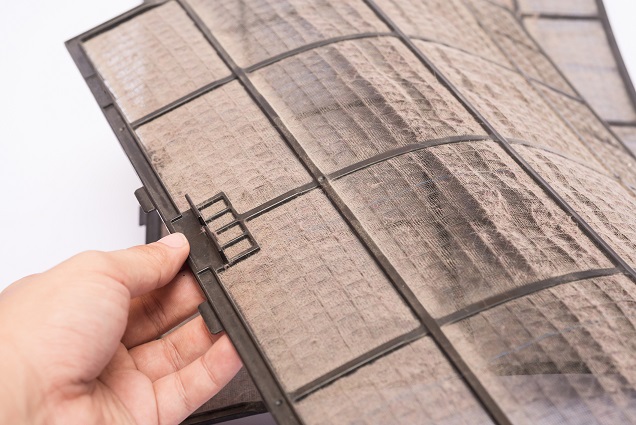
Person removing dirty air filter

While Florida winters are mild compared to much of the country, preparing your home for the cooler months is still the best practice. Winterizing your HVAC system keeps you cozy, helps reduce energy costs, and extends the life of your heating and cooling equipment. Below, Tampa’s HVAC experts outline the key steps to prepare your Florida home for winter.

Check & Seal Air Duct Leaks

Leaky air ducts can significantly impact your home's comfort and energy efficiency. Warm air can escape through gaps or poorly sealed ductwork, leading to uneven heating and higher utility bills. As a homeowner, you can perform a quick inspection of accessible ducts, looking for visible cracks or gaps.

For a more thorough evaluation, consider scheduling a professional duct inspection. Experts use advanced tools to detect hidden leaks and can provide comprehensive sealing solutions, ensuring warmth flows efficiently throughout your home.

Cover Your Outdoor AC Unit & Insulate Pipes

Your outdoor air conditioning unit needs protection during the winter months. Covering the unit with a weatherproof AC cover shields it from debris, moisture, and freezing temperatures that could lead to rust or damage.

In addition, insulating exposed AC pipes is critical to preventing condensation or freezing. Foam pipe insulation is inexpensive and easy to install yourself. Properly protected pipes help maintain the efficiency and longevity of your HVAC system while keeping repairs at bay.

And for bonus points, turn off the power to your AC unit to prevent it from kicking on unexpectedly, and to save yourself from unwanted energy loss.

Replace Your Air Filters & Perform a Visual Check

Regularly replacing air filters is one of the simplest and most effective ways to maintain your HVAC system. Clean filters improve airflow, reduce strain on the system, and ensure better air quality in your home. For most households, replacing filters every one to three months is ideal.

While replacing your filters, visually check your HVAC system. Look for visible signs of wear, such as rust, frayed wires, or dirt buildup on the outdoor unit.

Get Your Heating System Inspected & Serviced

Having your heating system inspected and serviced by a professional is the foundation of winter preparedness. Even in Florida, where heating systems see less use, neglecting maintenance can lead to unexpected breakdowns when temperatures drop.

With regular maintenance comes several benefits, like:

During a typical heating inspection, a technician will:

Opting for a maintenance plan can be a practical way to keep your system running efficiently year-round. The best HVAC maintenance plan in Florida from Hoffman Electrical & A/C includes inspections, faster service during peak times, and exclusive repair discounts.

Why Choose Hoffman Electrical & A/C?

Hoffman Electrical & A/C takes pride in delivering top-quality HVAC services to Florida homeowners. Our team of skilled technicians is dedicated to ensuring your home stays comfortable year-round. Whether you need a heating inspection, ductwork repair, or help with winterizing your HVAC system, we’re here to help.

Contact us now to learn more about our maintenance plans and winterization services.

What To Do if You Have Electrical Damage After a Hurricane

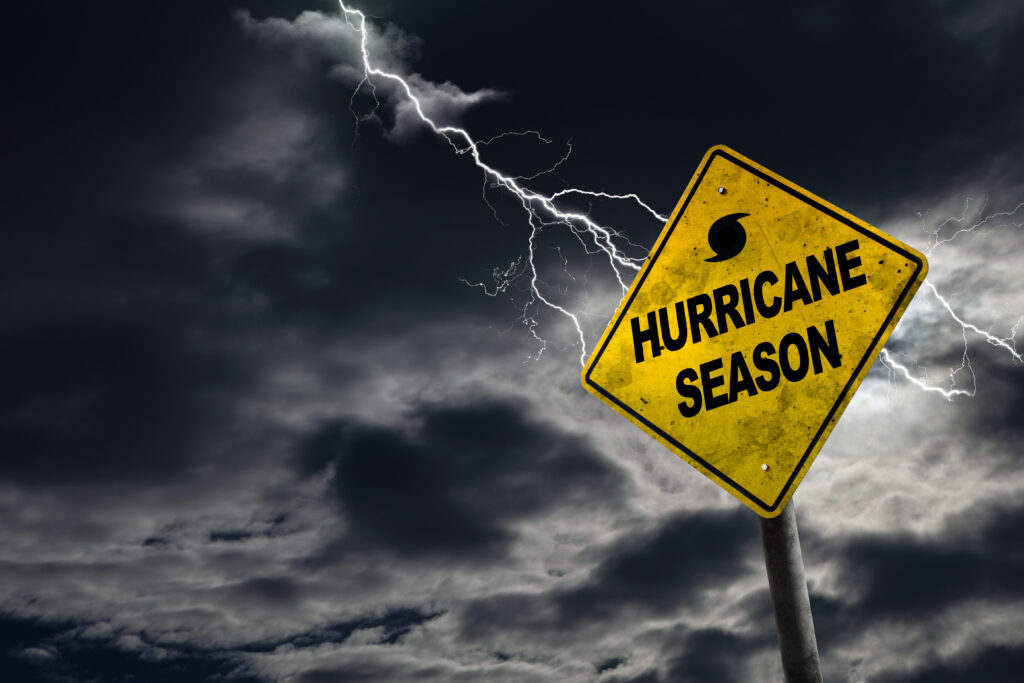
Lightning in a stormy sky with a yellow road sign that reads "hurricane season)

When hurricane season strikes the Tampa Bay area, many homeowners experience electrical issues. High winds and heavy rains can cause significant damage and leave people with an electrical system that is no longer safe or functional.

In this article, the expert electricians at Hoffman Electrical & A/C cover the most common issues caused by hurricanes and the steps Florida homeowners should take after a storm to restore their system properly.

5 Common Electrical Issues Caused by Hurricanes

Perform a Visual Inspection

After a storm, homeowners should do a visual inspection to check for damage to their electrical system and request electrical repair when necessary. Never touch any of your home’s electrical components until you’re sure of their safety, and call a professional if you notice:

Contact Your Insurance Provider

Your insurance provider may cover damage done to your electrical system by a hurricane. Review your coverage to determine any benefits for storms and then document damage thoroughly. This includes notes from your visual inspection as well as photos. You can then file the claim within the appropriate time frame and arrange for an inspection.

Contact Your Local Electrician

After filing an insurance claim, receive quotes for all repairs from a local electrician. It's important to work with someone who is licensed and insured, and we highly recommend reading reviews to find someone who is reliable and professional.

When addressing the damage done to your electrical system, homeowners should take care of the greatest safety concerns first. This includes:

Get Electrical Service in Tampa Today

After a storm, trust your electrical repairs to the team at Hoffman Electrical & A/C. Since 1989, our team has provided comprehensive electrical service to the residents of Tampa to ensure they have the functional and reliable power they need. Our family-operated and -owned company can provide you with the personalized service you deserve. Plus, with our affordable and fair pricing, there’s always an option that fits your budget.

Storm-related electrical damage should never be ignored.
If your home experienced power issues, water exposure, or electrical damage after a hurricane, schedule professional service with a licensed local electrician you can trust.

How Much Does It Cost To Upgrade Your Electrical Panel?

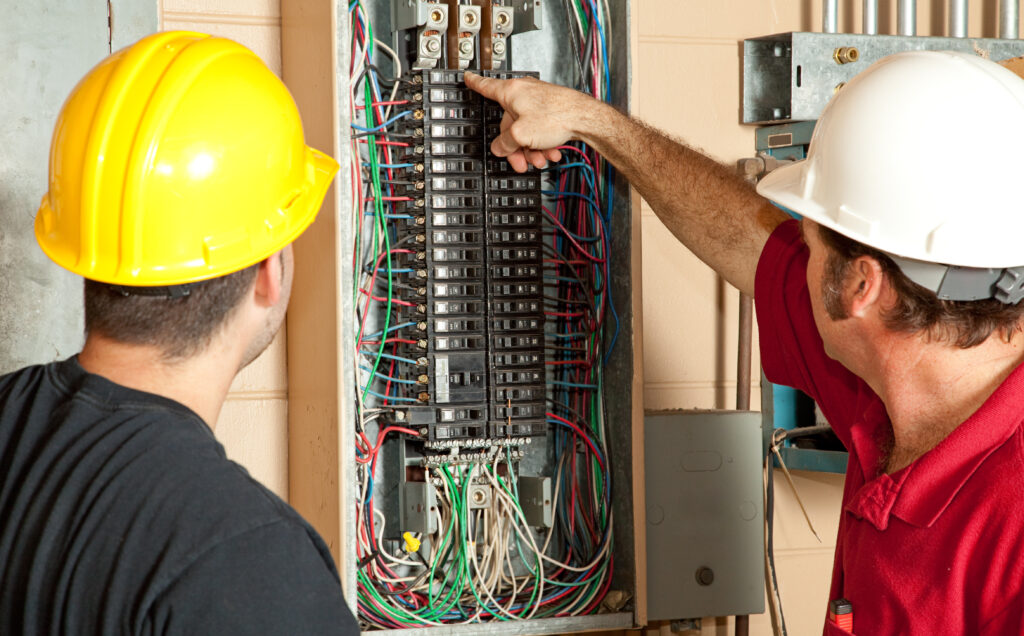
Electricians identify a 20 amp breaker that has gone bad and replace it.

Tampa homeowners with older electrical panels may experience issues like frequent breaker trips or flickering lights. This is because their outdated equipment doesn’t have the capacity to keep up with modern-day electrical demands. To improve reliability, power, and safety, consider an electrical panel upgrade.

An upgrade is an important investment in your electrical system and can cost between $800 and $4,000. The electrical experts at Hoffman Electrical & A/C discuss the main factors that impact the cost of a replacement and the various benefits of an upgrade.

4 Factors Involved

When choosing a new electrical panel for your home, consider the many factors that will impact the price and power of your upgrade. Every homeowner has unique needs, and those who are well-informed can make the best choice for their property.

Panel Types

When selecting a new electrical panel, there are four main types of panels that offer their own unique application. Options include:

Your Existing Setup

The condition and layout of your existing electrical system can impact the overall cost of a panel replacement. If your older home needs rewiring to meet current electrical codes or has sections of wiring that are damaged and require repair, this can add to the cost of both labor and materials.

Plus, some homeowners may want to relocate their electrical panel to a more convenient location, especially if they are in cramped utility closets or unfinished basements. This adds to the extent of the project and will be reflected in your final bill.

Code Compliance

Any electrical panel needs to adhere to the National Electrical Code for safety regulations. If your Tampa home was built many years ago, it may need additional work to meet these standards. These code corrections can include upgrading your grounding systems or installing AFCIs and GFCIs. Some of this work will also require a permit and may need to pass an inspection, all of which will increase the cost of the project.

Capacity Increase

When it comes to electrical panels, the bigger, the more expensive. This is true when making the jump between different amperage levels. Panels generally come in three capacities: 100-amp panels, 200-amp panels, and 400-amp panels. The most common upgrade for electrical panels is from 100 amps to 200 amps. This upgrade will ensure that your home can handle modern appliances. However, if you are looking to be able to use an EV charger, home workshop, or a large HVAC system, you wish to upgrade to a 400-amp system. These systems are only necessary for heavy electrical loads and can significantly increase the cost of installation.

5 Benefits of a Panel Upgrade

Upgrading your electrical panel can lead to a wide range of benefits including:

Schedule an Appointment in Tampa Today

If you’re ready for an electrical panel upgrade, trust the team at Hoffman Electrical & A/C. With 25 years of experience serving residents of the Tampa area, our team of licensed and insured electricians can handle a wide range of services and issues to keep your home and electrical system safe and functional. Our family-owned and -operated company can provide you with the personalized services you deserve.

Contact Hoffman Electrical & A/C today to schedule an electrical panel upgrade for your Tampa home.

Duke Energy’s Base Rate Change Explained

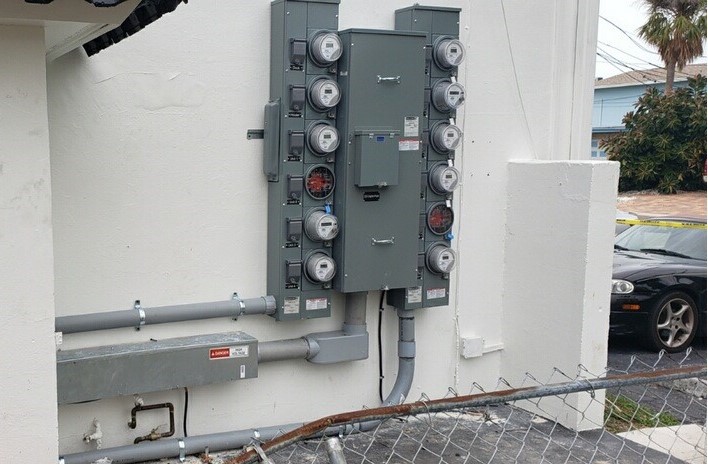
electric meter against a white exterior wall

In Florida, energy rate changes can catch homeowners off guard, especially when it seems like every year comes with a new adjustment. Duke Energy Florida recently announced an upcoming change to its base rates, set to take effect in 2025.

While this might initially sound like bad news for your electric bill, not everyone will end up paying more. In fact, some customers could see lower bills. Here’s what you need to know about Duke Energy’s base rate changes and tips to keep your energy expenses in check.

Duke Energy’s 2025 Rate Increase Proposal

Duke Energy has proposed a base rate increase starting in 2025. This is part of a three-year plan to cover costs related to infrastructure improvements and the building of 14 new solar plants between 2025 and 2027.

For an average household using about 1,000 kilowatt-hours (kWh) of electricity, the increase in 2025 would add roughly $16.48 to the monthly bill. This increase will be followed by smaller hikes in 2026 and 2027, adding $2.73 and $2.93 per month, respectively. These adjustments are intended to fund important upgrades, but customers will feel it in their wallets.

However, despite the base rate increase, Duke Energy has emphasized that some customers' energy costs could go down because of other changes planned for the same period. This is where things get interesting for Florida residents.

Why Your Energy Bill Might Not End Up Higher

Duke Energy’s base rate increase seems like a surefire way to increase energy bills, but the company timed the increase to coincide with plans to lower fuel costs in 2025. This is possible thanks to the fuel under-recovery, storm restoration cost recovery, and legacy purchased power contracts expiring at the end of 2024.

In addition, Duke Energy’s continued commitment to solar investments has already resulted in the company passing along $56 million of corporate tax savings from the Inflation Reduction Act to customers in 2023. Rates also went down in 2024 due to falling natural gas cost projections.

So, while the base rate itself is going up, a combination of expiring fuel and storm recovery costs, tax credits, and lower natural gas prices might result in only a minor increase — or even a slight reduction — in your energy bills in 2025.

6 Tips To Lower Your Energy Costs

Even with all these factors, it’s wise to control your energy usage wherever possible. Small changes around the house can lead to noticeable savings on your utility bill. Here are six practical tips to reduce your energy consumption:

  1. Use energy during off-peak times: Many Duke Energy customers are on time-of-use plans where electricity is cheaper during certain hours. Check your local schedule and adjust your usage of high-energy appliances accordingly.
  2. Maintain your HVAC system: Your air conditioner is the single largest contributor to your electricity bill. Regular maintenance, such as changing the air filter and scheduling seasonal tune-ups, helps your system run more efficiently.
  3. Unplug electronics when not in use: Devices like phone chargers, computers, and TVs draw power even when turned off. Unplug them or use power strips to shut off multiple items at once.
  4. Upgrade to energy-efficient appliances: Look for the ENERGY STAR® label when replacing old appliances. This will help you use less electricity without sacrificing performance.
  5. Replace your thermostat: A smart thermostat optimizes HVAC performance, reducing energy waste when you’re away or sleeping.
  6. Seal windows and doors: Gaps in your home’s exterior walls allow heat gain in the summer and heat loss in the winter. Caulking and weatherstripping these gaps keep your home comfortable and lower your energy bills.

Looking for Energy Savings? We Can Help!

When it comes to saving energy, every little bit helps. Hoffman Electrical & A/C has been helping Tampa-area homeowners lower their energy costs since 1989. As a family-owned and -operated business, we pride ourselves on providing expert electrical and HVAC services that can make a real difference in your home’s energy usage.

Contact us today to schedule energy-saving HVAC services in Tampa, FL.

How Heat Pumps Work

& Why Choose One for Your FL Home

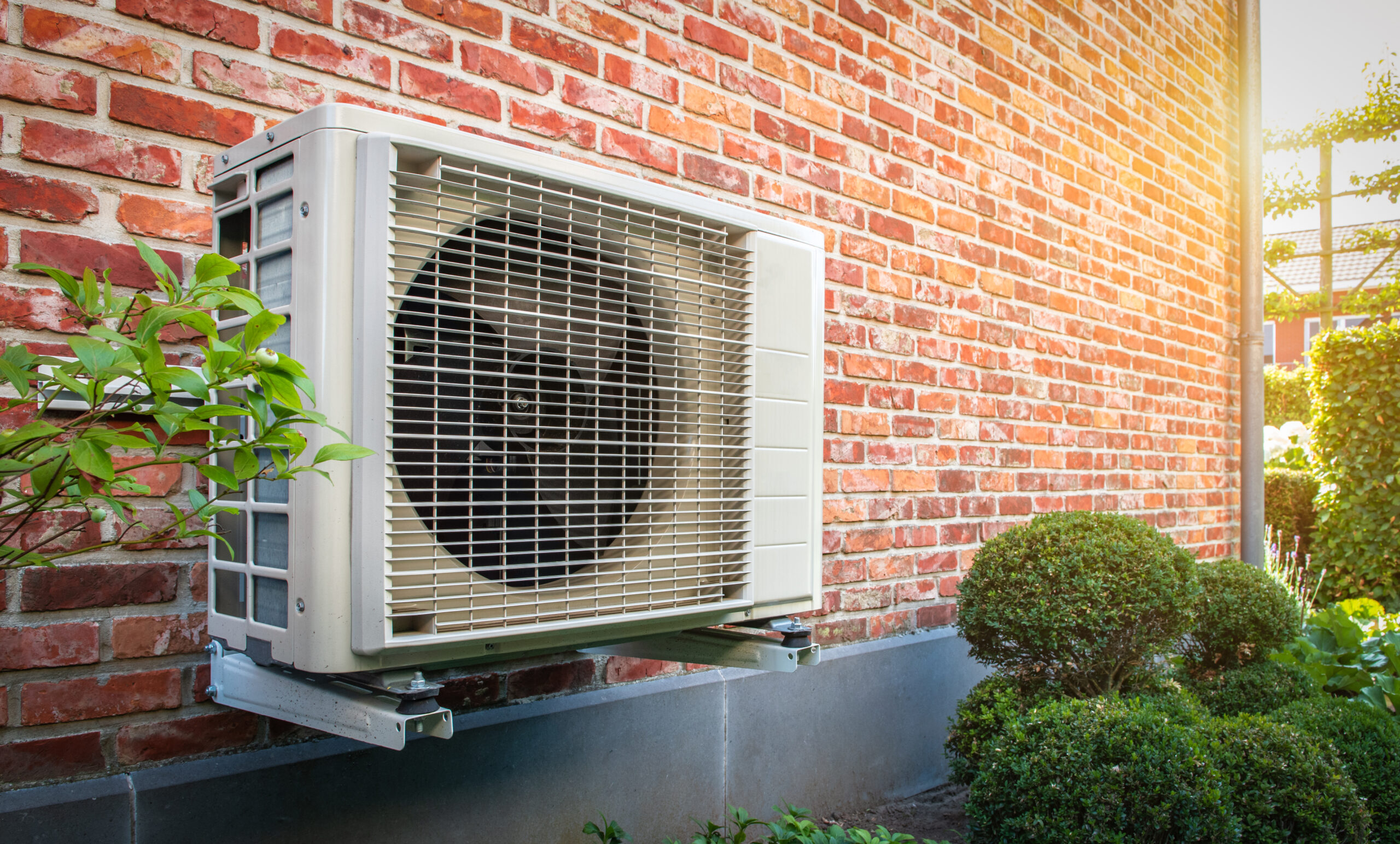
Air conditioning heat pump outdoor unit against brick wall.

As homeowners seek out more energy-efficient heating and cooling solutions for their properties, one innovative option that’s gained in popularity is the heat pump. A unique HVAC system capable of both heating and cooling your home, these units offer incredible energy efficiency, resulting in significant savings on your utility bills. But how exactly do they work, and are they a good option for your specific needs?

The comfort specialists at Hoffman Electrical & A/C explain how heat pumps operate and why they make a great addition to Florida homes in particular.

The Basics of Heat Pumps

One of the greatest advantages of a heat pump system is that it offers year-round comfort and is capable of providing both heating and cooling for your home. Here’s how it’s done:

Cooling in the Summer

During the hot, humid Tampa summers, a heat pump operates just like an air conditioner would. Using a refrigeration cycle, the heat pump extracts heat from the air inside your home and deposits it outside. This leaves your indoor environment cool and comfortable, even on the hottest days of the year.

Heating in the Winter

In the winter, the cycle is reversed. The system extracts heat energy from either the outside air or the ground, depending on the type of heat pump you have installed. After absorbing this heat energy, it uses the same refrigeration cycle to pull the hot air inside, leaving your home warm.

6 Advantages of Heat Pumps in Florida

Choosing to install a heat pump in your Florida home can provide you with many advantages, including:

Schedule a Consultation in Tampa Today!

Ready to make the switch to a more energy-efficient HVAC system for your Tampa home? Hoffman Electrical & A/C has the team you need to get the job done right. Offering top-quality systems from the most trusted manufacturers, we’re confident in our ability to bring high-efficiency HVAC solutions to your home that will last for years to come.

Want a heat pump that’s sized and installed correctly for Florida comfort?
Schedule a consultation with Hoffman Electrical & A/C to discuss heat pump options for your Tampa-area home and get expert recommendations.

5 Likely Causes of Your Air Conditioning Not Turning On

newly installed AC condenser units

When your air conditioner is on the fritz, don’t panic. You may be able to get it up and running on your own, or at least pinpoint the problem before our expert HVAC technicians can get there. Here are five reasons your AC won’t turn on, including troubleshooting tips, when appropriate:

Reset Needed

If nothing looks wrong or damaged with your AC unit and the vents are clear and unobstructed, your first step should be trying to reset your AC system. Reset instructions vary depending on the make and model, but generally, resetting involves three simple steps:

  1. Flip the breaker powering your AC to the off position.
  2. Find the reset button on your AC (check the manual or look online for the location).
  3. Hold down the button for three to five seconds before releasing. If your AC still doesn’t power on after you reset the breaker, call us!

Tripped Circuit Breaker

Since turning your AC breaker off is part of the process of resetting your AC, a tripped circuit breaker will be easy to spot. When you go to turn off your AC breaker, if it’s already in the “OFF” position, then you know your AC problem is simply a tripped circuit breaker.

Thermostat Problems

Most people don’t realize that their thermostat should be replaced or updated every time a new HVAC system is installed, or every 10 to 15 years in between HVAC replacements. If your thermostat is unresponsive, it could be the reason your AC is not turning on.

Other signs of thermostat failure include when it doesn’t respond to a temperature adjustment, the air temperature in the room does not match the thermometer temperature, short-cycling, or the thermometer program keeps resetting itself.

 Ice Buildup on the Condenser Unit

Some people think ice buildup on your condenser unit outside is normal, but it’s definitely not! Ice is likely due to a refrigerant leak or low refrigerant, a dirty evaporator coil, blocked airflow, clogged air filters, or a damaged blower fan. You need a trusted AC professional to accurately diagnose the cause and fix it.

Overdue Maintenance

You can avoid stressful moments like not having your AC turn on by scheduling routine AC maintenance with us. When you sign up for our maintenance plan, our HVAC professionals will thoroughly inspect your air conditioning system twice a year and catch any issues before they become a big problem, like a clogged condensate drain line or pump, clogged or dirty coils, or a dirty air filter. We also oil parts, check and replenish refrigerant levels, repair leaks, tighten loose components, and clean your unit. In short, we do it all to ensure your AC is running optimally and ready to go when you need it.

Schedule AC Service in Tampa With Hoffman

Family-owned and -operated since 1989, Hoffman Electrical & A/C is Tampa’s leading HVAC contractor because we’re honest, on time, and the best at what we do. Read our thousands of positive reviews to learn more!

Plus, with our upfront and fixed pricing, coupons, and financing, you can be confident knowing you’re in control and can get the services you need without breaking the bank.

So, what are you waiting for? Schedule your AC service in Tampa or St. Petersburg today!

5 Hidden Electrical Hazards in Your Tampa Home

Electrician testing outletKnowing about common household electrical hazards can prevent injuries and fires. You can safely correct some electrical problems yourself, but other issues require a licensed professional electrician. The experienced electricians at Hoffman Electrical & A/C explore five common causes of electrical dangers so you and your family can stay safe.
Hoffman Electrical & A/C handles your residential electrical needs in Tampa, Hillsborough, and St. Petersburg. Call us today at 866-238-3243 or contact us online.

Frayed Cords & Overloaded Outlets

Some electrical dangers can easily be overlooked. Among them are frayed electrical cords and overloaded outlets.

When the rubber outer layer of an electrical cord wears away, the wiring is unprotected. Bare wires can give an electrical shock to anyone handling them, and frayed cords can lead to fires.

Check your electrical cords regularly for wear. If a cord appears damaged, promptly replace it and the appliance connected to it.

When you plug too many cords into an electrical outlet, it becomes overloaded, creating a fire hazard. The outlets in your home are meant for a specific amount of wattage, and exceeding that level is risky.

A power strip is a great solution for safely plugging in several electrical cords. You can also ask an electrician to install additional outlets.

Outdated Wiring & Ungrounded Outlets

Dangerous electrical issues can occur in homes over 40 years old. These include having outdated wiring and ungrounded outlets.

Your home’s aging wiring may not be equipped to power multiple electronic devices, televisions, microwave ovens, and other appliances. Decade-old circuits may not be able to power so many items, causing fires. An electrician can replace your outdated wiring.

Ungrounded outlets have two vertical openings where plugs can be inserted. Grounded outlets have a circular hole beneath the two upright slots. Grounded outlets safeguard you and your home in case of a short circuit. They prevent an overload of electricity from sparking a fire or giving someone a shock.

An experienced electrician will locate your ungrounded outlets and replace them with grounded ones.

Exposed Junction Boxes & Faulty Switches

You may never have heard of junction boxes and probably don’t think about switches. But exposed junction boxes and faulty switches put you, your family, and your home at risk.

A junction box contains electrical connections. If a junction box lacks a cover, live wires might trigger a fire or shock someone. Switches that are damaged or have exposed wires can hurt someone when they turn on a light or appliance.

A professional electrician has the knowledge and tools to replace these electrical components to enhance safety.

Water Hazards in Kitchens & Bathrooms

People spend a lot of time in their kitchens and bathrooms. These seem like safe places, although the proximity of water and electricity can be lethal.

Kitchens and bathrooms are full of electrical appliances near sinks and bathtubs. If you simultaneously touch water and an appliance when it’s turned on, you might get a severe shock or be electrocuted. Ground Fault Circuit Interrupter electrical outlets protect you from this hazard. These outlets instantly halt the power to an appliance if, for example, it's accidentally immersed in water.

Having an electrician convert your outlets to GFCI ones, especially in kitchens and bathrooms, is a sound investment that could spare someone’s life.

DIY Disasters & Improper Repairs

Fixing things around the house can be enjoyable and economical. However, projects involving electricity should be done by qualified electricians.

Anybody who isn’t a trained, licensed electrician may not know how to prevent serious injury to themselves and others. They could start a fire when improperly handling electrical wires. Failure to install electrical boxes and using the wrong tools are other missteps homeowners make when working on DIY residential electrical projects.

Skilled electricians are always the safest for electrical tasks in your Tampa home.

Schedule an appointment today. Call the professionals from Hoffman Electrical & A/C at  866-238-3243 for outstanding electrical work in Tampa.

How To Switch From Gas to Electric Heating in Tampa

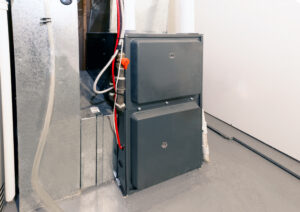
A home high energy efficient furnace in a basementIf you already have a gas-powered heating system installed in your Tampa home, it’s not too late to enjoy the advantages of electric heating. Making the switch from gas to electric heating is a fairly easy process when you have the right HVAC company by your side.

The heating experts at Hoffman Electrical explain how to switch from gas to electric heating in your Tampa home so you can enjoy a seamless, stress-free transition.

Why Consider Switching to Electric Heating?

Switching from gas to electric heating can be beneficial for several reasons, including:

The shift to electric heating can offer ongoing financial savings, environmental benefits, and enhanced convenience for Tampa homeowners.

Understanding Tampa’s Climate & Energy Landscape

In Tampa, winter temperatures are fairly warm compared to other parts of the country, with average highs at 73 degrees F from December through February. That means Tampa residents won’t have to rely on their home heating systems as much, allowing them to save on their utility expenses.

And with the cost of electricity four cents lower per kWh compared to the national average, the switch from gas to electric heating becomes even more attractive to local families.

Comparing Gas & Electric Heating Systems

Gas and electric heating systems each have their own set of advantages and disadvantages to consider. Gas heating systems offer more rapid heating capabilities. They can work even during power outages, making them a great option for those who live in colder climates or routinely deal with blackout events. However, these systems contribute to greenhouse gas emissions and require greater maintenance than their electric counterparts.

By contrast, electric heating systems are cleaner and more environmentally friendly, producing zero emissions at the point of use. They’re easy to install and maintain and offer precise temperature control to families. However, compared to the cost of gas, electric heating systems may be more expensive to operate in the long run.

Steps to Switching to Electric Heating

If you’re committed to making the switch to electric heating, there are several steps that you will need to take:

  1. Assessment: Evaluate your current setup to determine the suitability of switching to electric heating.
  2. Budget: Compare the cost of an electric system to the cost of maintaining or replacing your gas equipment and consider long-term energy savings.
  3. Selection: Research and choose the electric heating system that best suits your home's comfort needs.
  4. Consultation: Speak with a licensed HVAC technician to understand your options and get an expert recommendation.
  5. Upgrades: Depending on your home’s electrical capacity, you may need to upgrade your electrical panel or circuits to accommodate the switch.
  6. Permits: Check local building codes and obtain necessary permits to install your electric heating system.
  7. Installation: Your chosen HVAC technician will professionally install your new heating equipment in your home.

Potential Challenges & Considerations

As you consider switching to electric heating, it's important to understand the potential challenges of such a change. One of the biggest challenges is the cost of your investment, as electric heating equipment can be more expensive than maintaining or replacing your gas system. Additionally, depending on your home's electrical capacity, you may need electrical system upgrades, increasing your installation costs.

Electric heating systems can also produce higher electricity bills, so long-term cost savings should be carefully evaluated. Moreover, electric heating systems mean you will have to rely on the power grid to keep your home warm, which may be unreliable in Tampa's hurricane-prone climate.

Financial Incentives & Rebates

Depending on the type of heating system you have installed, switching to electric heating could qualify you for financial incentives and rebates. For instance, Florida Public Utilities offers a $100 customer rebate when you install a new heat pump in your home. Consult with your HVAC professional to understand the scope of available incentives and rebate programs to save on installation costs.

Make the Switch Today With Hoffman Electrical & A/C

Think making the switch from gas to electric heating is the right choice for your Tampa home? Hoffman is here to help with the comprehensive HVAC solutions you need. We'll help you select from our range of top-quality systems to find the unit best suited to your home's comfort needs. With a deep understanding of local, state, and federal tax incentives and rebates, we can help you navigate available programs so you can save big on your heating investment.

Book heating installation in Tampa by calling our team at 866-238-3243.